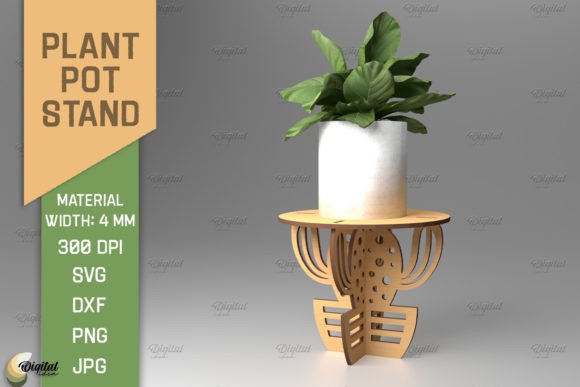
★★★☆☆3.9(271 reviews)
3D Plant Stand Embroidery Design Review
Performance in Different Embroidery Projects
- Custom Apparel: Works great on sweatshirts and t-shirts, particularly in chest placements. The design doesn’t require high stitch density, so it avoids puckering issues on thicker knit fabrics.
- Baby Clothes & Nursery Decor: The gentle curves and leafy details make it suitable for baby items. Just ensure thread colors are pastel-friendly and avoid dark backgrounds for better contrast.
- Patches and Applique Designs: If converted into an embroidered patch, the layered look can be enhanced with additional materials like felt or foam backing.
- Tote Bags and Pillow Covers: The scale is generous enough to stand out but not so large it overwhelms the item. Perfect for Etsy sellers looking to offer branded or seasonal items.
- Holiday Gifts and Boutique Branding: The nature-inspired theme aligns well with holiday collections or as a signature piece for a small shop product line.
Where to Use Carefully
- Small Hoop Sizes: The design may lose some of its impact when scaled down significantly. Test it on scrap fabric before finalizing placement on delicate or tiny projects.
- Textured or Stretchy Fabrics: On materials like flannel or stretch knits, the fine lines and subtle layering might not render cleanly. Consider adjusting stitch types or using extra stabilizer.
- Dark Fabric Backgrounds: The default thread colors provided may not pop on darker materials. Always check thread color contrast and be ready to customize for optimal visibility.
- Curved Surfaces (e.g., Caps): Due to the design’s size and complexity, it’s best suited for flat areas. Placing it on curved surfaces like caps could lead to distortion unless carefully adjusted.
- Frequent Washing: For kitchen towels or other items needing frequent laundering, test the design’s durability. High stitch density areas may fray over time if not properly stabilized.
Practical Designer Notes
- Test on scrap fabric first. Especially if you're planning to use it on multiple products or in different sizes.
- Review stitch density. Look for tight clusters that might cause puckering or fraying. Adjust as needed based on your fabric choice.
- Confirm hoop size requirements. While the exact specs aren't provided, scaling down too far can compromise the design’s integrity.
- Inspect small details. Even though it's not overly complex, subtle elements like leaves or stems can get lost if not rendered correctly.
- Use proper stabilizer. A tear-away or cut-away stabilizer will help maintain shape and prevent distortion, especially on stretchier or thinner materials.
- Check thread color options. The default colors are pretty, but don’t hesitate to tweak them for better contrast or to match your brand palette.
- Consider black and white mockups. This helps assess how the design will appear with different thread combinations or fabric shades.
- Compare light and dark backgrounds. This ensures your design remains legible and visually appealing regardless of the base fabric.
- Assess giftability and recognition. Think about how the design contributes to the overall story of the product. Does it enhance the perceived value? Is it memorable?
⬇️ Download Free
Free download · No sign-up required
🔗 You Might Also Like
Stands
As a seasoned blog designer and digital publisher, I’m always on the lookout for...
Stands
As a designer who regularly evaluates embroidery and laser-cut files for real-wo...
Stands
If you're a digital product creator, Etsy seller, or print-on-demand enthusiast,...
Stands
As a brand designer and content marketer, I’m always on the lookout for graphic ...
Stands
If you're a handmade product creator, you know the value of design assets that a...
